What Is the National Flower of New Zealand?
New Zealand is home to many unique plants, but one flower stands out as the country’s national symbol: the kowhai. Known for its vivid yellow blooms and its strong place in Māori culture, the kowhai represents the natural identity of Aotearoa. It also shows how closely New Zealanders connect with their landscape.
The kowhai is more than a bright native blossom - it signifies endurance, beauty, and harmony with nature.
The Official National Flower of New Zealand: Kowhai
The kowhai is officially recognised as the national flower of New Zealand, even though the government has never passed legislation to formalise it. Its status is widely accepted because the kowhai appears in art, education, conservation programs, and official branding across the country.
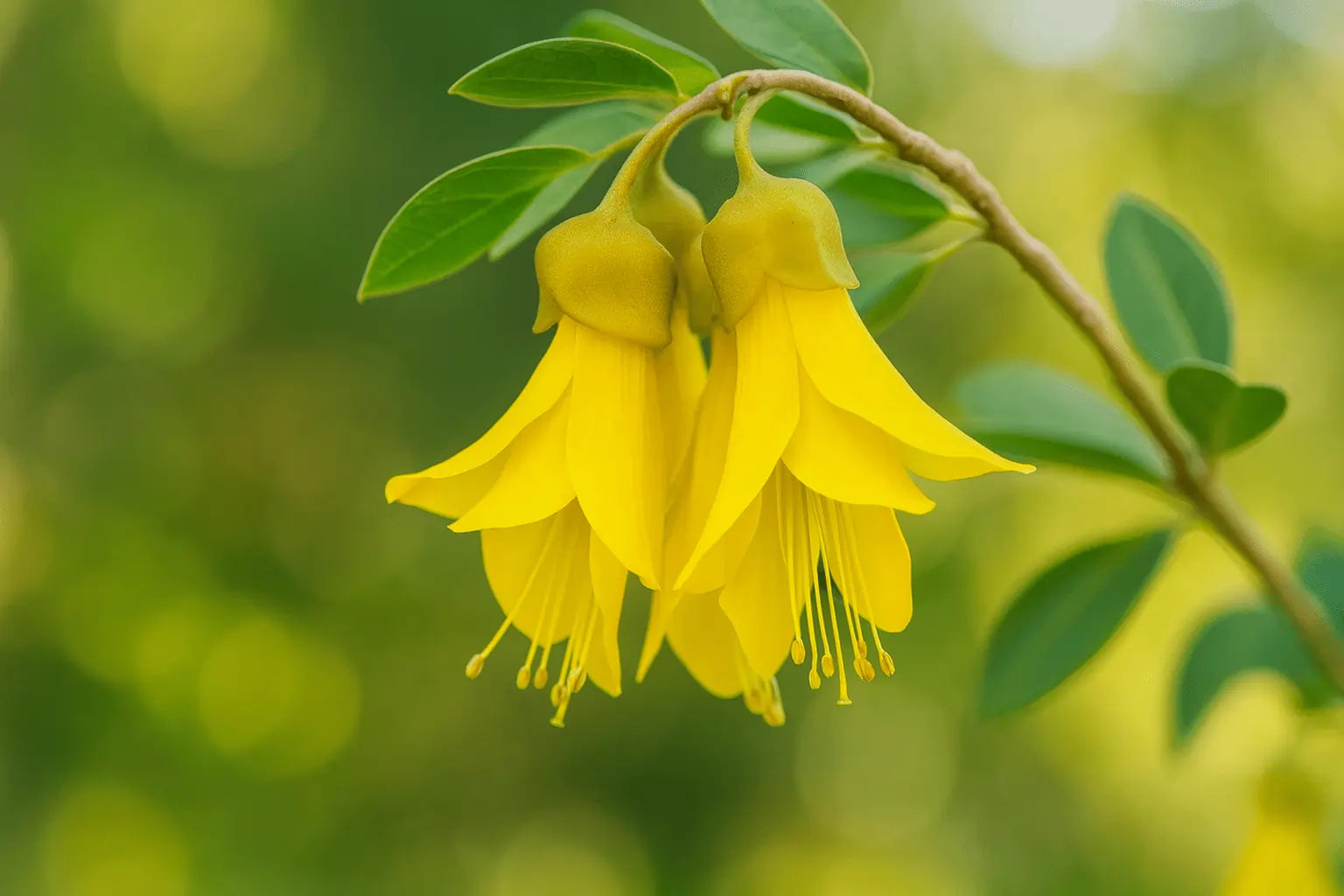
The word "kowhai" comes from the Māori word for yellow, describing the colour of its striking bell-shaped flowers. These blooms typically appear on several species of the Sophora genus, all native to New Zealand. The trees can grow in forests, along rivers, or in gardens, making them a familiar sight across the country.
One reason the kowhai is so iconic is its role in the ecosystem. The flowers produce rich nectar that attracts birds such as the tūī, bellbird, and kereru. These birds rely on the kowhai as an early-season food source. In return, the birds pollinate the flowers, helping the trees regenerate. This natural partnership contributes to the kowhai's strong identity as a symbol of life and renewal in New Zealand.
The popularity of kowhai also comes from its presence in everyday life. Schools often teach children about native plants, and the kowhai features in many lessons. Its bright colour appears in logos, Māori designs, and environmental programs. Because it represents something shared across the country - a native flower that almost every New Zealander recognises - the kowhai has become the unofficial yet widely accepted national flower.
What Makes the Kowhai Unique?
The kowhai stands out because of its bold yellow flowers and the way it supports native wildlife. Unlike many flowering trees, kowhai blooms hang in clusters, creating a dramatic visual display each spring. The blossoms open before the leaves appear, giving the tree a brilliant golden look.
The shape of each flower is also distinctive. The long, curved petals hold nectar deep inside, which suits native birds with long beaks like the tūī. This close match between flower and bird makes the kowhai essential for pollination and biodiversity.
Its bark and leaves were traditionally used by Māori for practical purposes, adding cultural value to their natural beauty.
This combination of bright colour, ecological importance, and heritage makes the kowhai unlike any other NZ flower.
When Does the Kowhai Bloom?
Kowhai trees usually bloom from August to November, although exact timing depends on the species and climate. Many New Zealanders see kowhai as one of the first signs of spring.
During this period, the yellow flowers appear before the leaves, which makes the tree look vibrant and full. The early blooming period helps birds feed at a time when nectar is limited.
Different species may bloom earlier or later, but all produce the same recognisable golden clusters that signal warmer weather ahead.
Where the Kowhai grows in New Zealand
Kowhai grows across most regions of New Zealand in both the North and South Islands.
It thrives near rivers, bush edges, and open hillsides, but it adapts well to gardens and urban spaces.
Some species are more common in coastal areas, while others prefer inland regions.
Because kowhai tolerates different soils and conditions, it spreads naturally and supports birdlife in many habitats.
Gardeners often plant kowhai because it attracts native birds and brings strong spring colour.
Cultural Meaning and Symbolism of the Kowhai
The kowhai holds deep cultural meaning in Māori traditions and New Zealand identity.
Its bright yellow colour symbolises growth, warmth, and new beginnings. For many Māori communities, the blooming of kowhai signals the change of seasons and the renewal of the natural world.
Historically, kowhai wood and bark were valued. Infusions from the bark were used in traditional healing practices, and the sturdy wood had practical uses. Over time, the kowhai became more than a resource - it became a cultural marker of spring and life cycles.
The flower also appears in Māori art, carving, weaving patterns, and waiata (songs). Its shape and colour help represent nature’s energy and the connection between people and land.
In modern New Zealand, kowhai continues to be a symbol of unity and identity. Organisations use the flower in branding to highlight their connection to the country. Schools and conservation groups plant kowhai to support native wildlife and teach children about the importance of local ecosystems.
Because kowhai links both heritage and the environment, it stands as a strong cultural icon.
Why the Kowhai Represents New Zealand Today
Kowhai became New Zealand’s national flower because it is both widely recognised and deeply meaningful. Its yellow blooms stand out in the New Zealand landscape, and its connection to native birds showcases the country’s unique biodiversity.
The flower also unites cultural identity, environmental awareness, and national pride.
It is simple, iconic, and instantly associated with Aotearoa.
Interesting Facts About the Kowhai
- There are eight species of kowhai, all native to New Zealand.
- Birds such as tui, kereru, and bellbirds are major pollinators.
- Kowhai seeds have a very hard coating and can remain dormant for years.
- The flowers’ nectar plays a major role in early-spring feeding cycles.
- Kowhai is widely used in landscaping because it grows well in many conditions.
- Māori used kowhai bark in traditional healing.
- The tree can reach 8–12 metres, depending on the species.
- It is one of the first trees to signal spring in New Zealand.
Other Popular Native Flowers in New Zealand

Harakeke (New Zealand Flax Flower)
Harakeke is known for its tall flower stalks and its role in weaving traditions. The plant’s red or yellow flowers provide nectar for tūī and bellbirds. The long leaves have been used for weaving baskets, mats, and clothing.
Harakeke is a key part of wetland and coastal ecosystems, supporting insects and birds. Its bold structure and cultural importance make it one of New Zealand’s most recognised native plants.

Pohutukawa (New Zealand Christmas Flower)
Pōhutukawa is famous for its bright red summer blooms and is often called New Zealand’s Christmas tree.
It grows along coastlines and cliffs, with strong roots that anchor into rock.
The vibrant red flowers appear in November-January and attract birds and insects.
Because it blooms during the holiday season, pōhutukawa has become a cultural symbol of summer and celebration.

Manuka Flower
The manuka flower is small, white or pink, and highly valued for its role in producing manuka honey.
The plant grows in forests, scrublands, and hillsides.
Manuka supports bees, improves soil conditions, and helps regenerate land after disturbance.
Its simple flowers and strong scent make it an important native species for both ecology and industry.
Final Thoughts
The kowhai is one of New Zealand’s most meaningful native plants. It represents the country’s culture, biodiversity, and natural beauty. Its bright yellow flowers continue to be a symbol of growth and connection across Aotearoa.